20 Flattering Styles That Create Fullness in Haircuts for Thin Hair
20 Flattering Styles That Create Fullness in Haircuts for Thin Hair. If you have thin or fine hair, you understand the difficulty of styling it and making it look amazing daily.
You’ve used volumizing shampoos. You spent hours with a circular brush. You’ve seen your carefully arranged hair flop flat within an hour of leaving the house.
Here’s the fact that will change everything, the right haircut is the foundation for full-looking hair. Before you buy another product or spend another hour with a blow-dryer, you need a cut that does the heavy lifting for you.
The Good news is that there are plenty of ways to make thin hair look full, from haircuts to hair products; we can do wonders for thin, fine hair right now.
The quickest way to work magic for your thin hair is to talk to your hairdresser or hair stylist. But I’ll break it down for you. A bob cut is one of the best haircuts for thin hair; it’s the top style that even women over 50 turn to.
We have seen more people turn to this haircut because it shows results quickly with a few clips.
Whether you want a dramatic cut or to preserve your length, this guide will teach you everything you need to know about haircuts for thin hair.
Consider this your go-to guide for bigger, more voluminous hair, with everything from knowing your hair type to 20 particular cuts, style techniques, and care guidance.
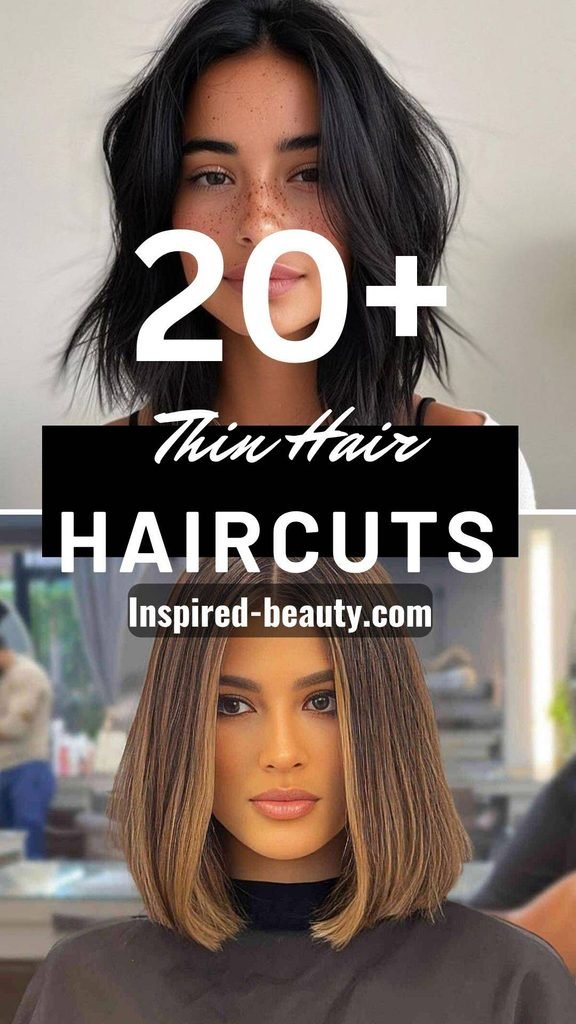
What Is the Best Haircut for Thin, Fine Hair?
Before we dive into specific cuts, let’s understand what makes a haircut work for thin hair.
The Golden Rules
Rule 1: Blunt ends create the illusion of thickness. “A blunt bob is a brilliant option for fine hair because it instantly makes the ends look stronger,” says hair growth expert Natasha Grocutt.
When all hair is cut to the same length, the perimeter looks denser.
Rule 2: Strategic layers add movement without removing weight. “Cuts that create structure with gentle movement work best,” advises Min Kim, L’Oréal Professionnel global ambassador.
The key is strategic layering, not choppy, aggressive layers that thin out the ends.
Rule 3: Shorter lengths lift weight. Hair that’s too long gets pulled down by gravity, looking flatter and more stringy. Shorter cuts (bob, pixie, lob) remove weight and allow hair to spring up.
Rule 4: Avoid razor cuts and excessive shagging. “Avoid heavily layered cuts, razor finishes, or ultra-long lengths with no shape; these only emphasize thinness”.
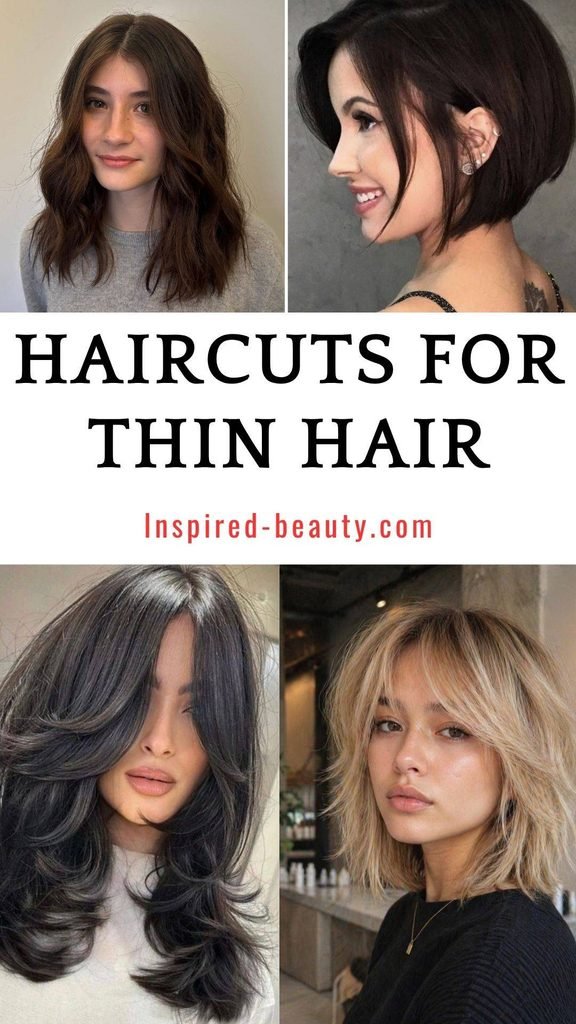
Fine vs. Thin: What’s the Difference?
It’s important to know which you’re dealing with:
Fine hair: Refers to the diameter of each individual strand. Fine hair is smaller in width.
Thin hair: Refers to density, the number of strands on your head. Someone with thin hair has fewer hair follicles per square inch.
You can have fine hair that’s very dense, or thin hair that’s coarse. But the strategies for making hair look fuller are often the same.
Thin Hair Shoulder Length Hairstyles
Hairstyles for Thin Hair Over 50
15 Simple Hairstyles For Thin Hair to Stand Out
20 Haircuts for Thin Hair (With Why Each Works)
These are some of the best haircuts for thin, fine hair. They are all random, fun, and trending. Plus, they will give you great ideas on where and how to start taking care of your thin hair.
The Blunt Bob
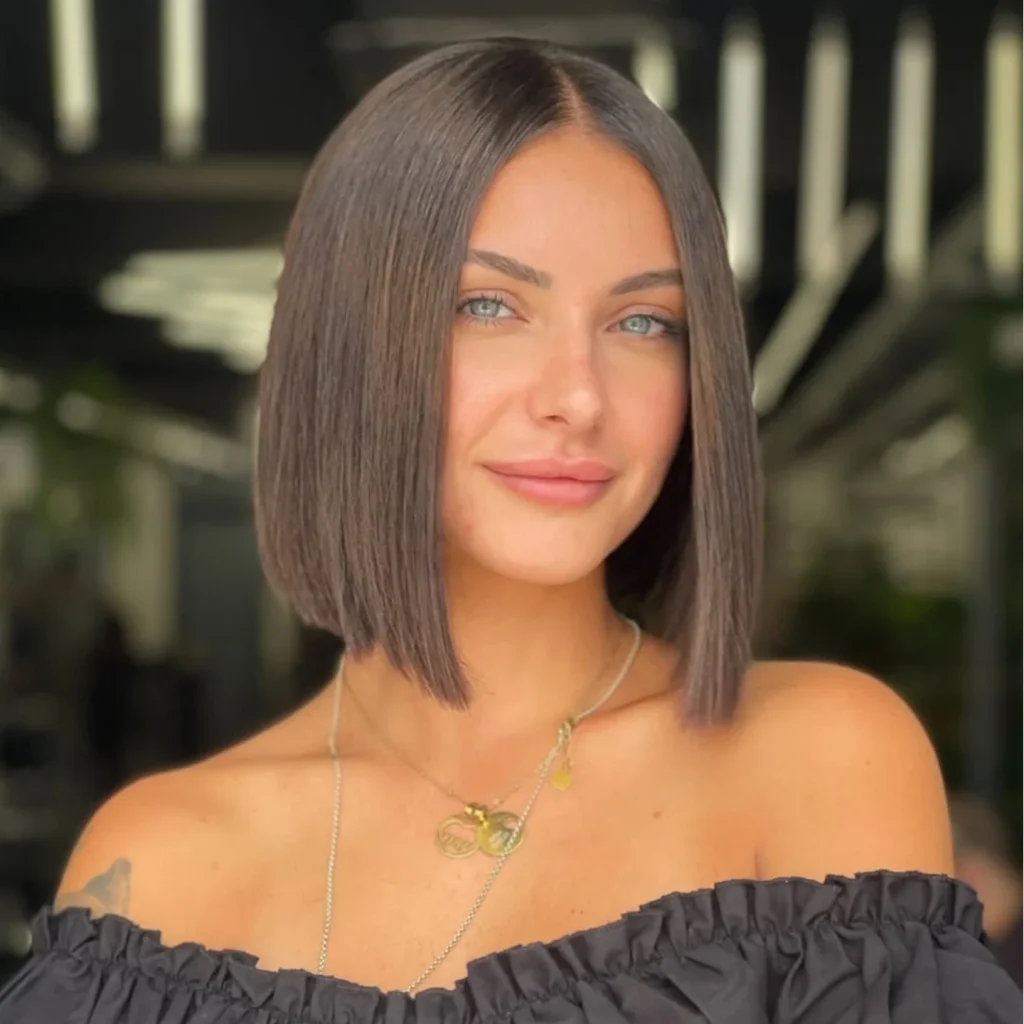
Sharp, sleek, and endlessly chic, the blunt bob is one of those haircuts that never goes out of style. But beyond its polished look, it’s also a smart choice for certain hair types and face shapes. Here’s everything you need to know.
What Is a Blunt Bob?
A blunt bob is a chin-to-shoulder-length cut with one defining feature: a straight, uniform hemline. Unlike layered or textured bobs, all the hair falls to the same length, creating a crisp, clean line with no graduation or thinning at the ends.
Why It Works
“A blunt bob is a brilliant option for fine hair because it instantly makes the ends look stronger,” say hairstylists. The uniform length creates a denser-looking perimeter, meaning the hair appears thicker and fuller from every angle. Because all the weight sits at the bottom, fine or thin hair gets a boost of volume and structure that layered cuts simply can’t provide.
Styling Tips
For a sleek look – Apply a smoothing serum or lightweight oil, then blow-dry with a round brush or flat iron for a glass-like finish.
For volume – Use a volumizing mousse at the roots and blow-dry upside down, then smooth the ends.
For texture – Add a sea salt spray or texturizing mist and scrunch for a lived-in, effortless vibe.
For a polished finish – A middle or deep side part instantly elevates the look.
Pro Tip
Ask your stylist for a “blunt bob with a slight angle” if you want a softer, more modern take, it keeps the dense perimeter while adding subtle movement.
The Stacked Bob Haircut
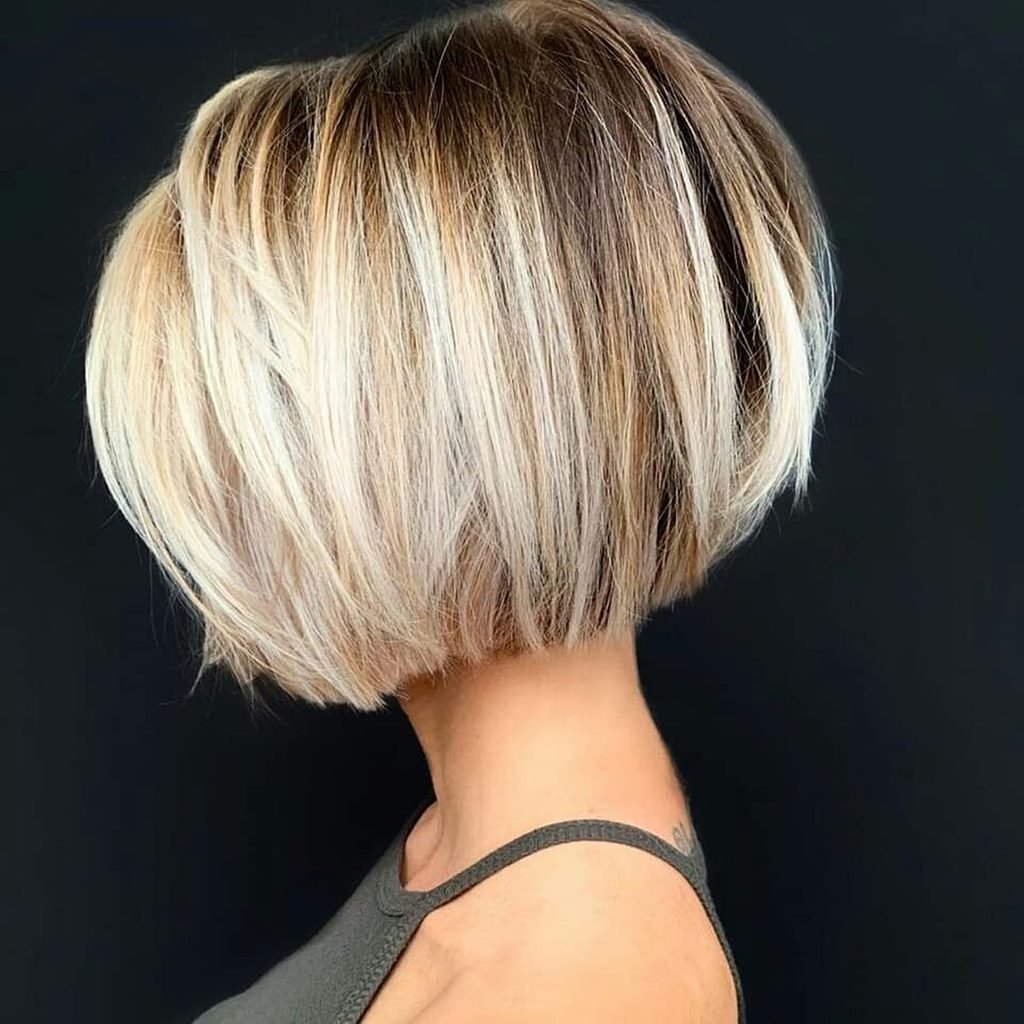
If you want a bob with built-in volume and movement, the stacked bob is your answer. It’s a cleverly cut style that uses invisible layers to create lift, fullness, and shape, all while keeping that classic bob silhouette.
Here’s everything you need to know.
What Is a Stacked Bob?
A stacked bob is a shorter version of the classic bob with graduated layers stacked at the back of the head. The result is a cut that’s shorter at the nape and longer toward the front, creating natural volume and a flattering, angled shape.
Unlike a blunt bob, which has a uniform hemline, the stacked bob uses internal graduation, hidden layers that build shape and lift without sacrificing length.
Why It Works
“The internal graduation creates natural lift and fullness, so fine hair instantly looks denser,” says hairstylists. Because the layers are stacked at the back, the hair builds volume where it matters most, at the crown and back of the head, while the front stays longer and more fluid.
The shorter-at-the-nape, longer-toward-the-front construction also creates a flattering angle that frames the face beautifully.
The Scandi Bob (Nordic Bob)
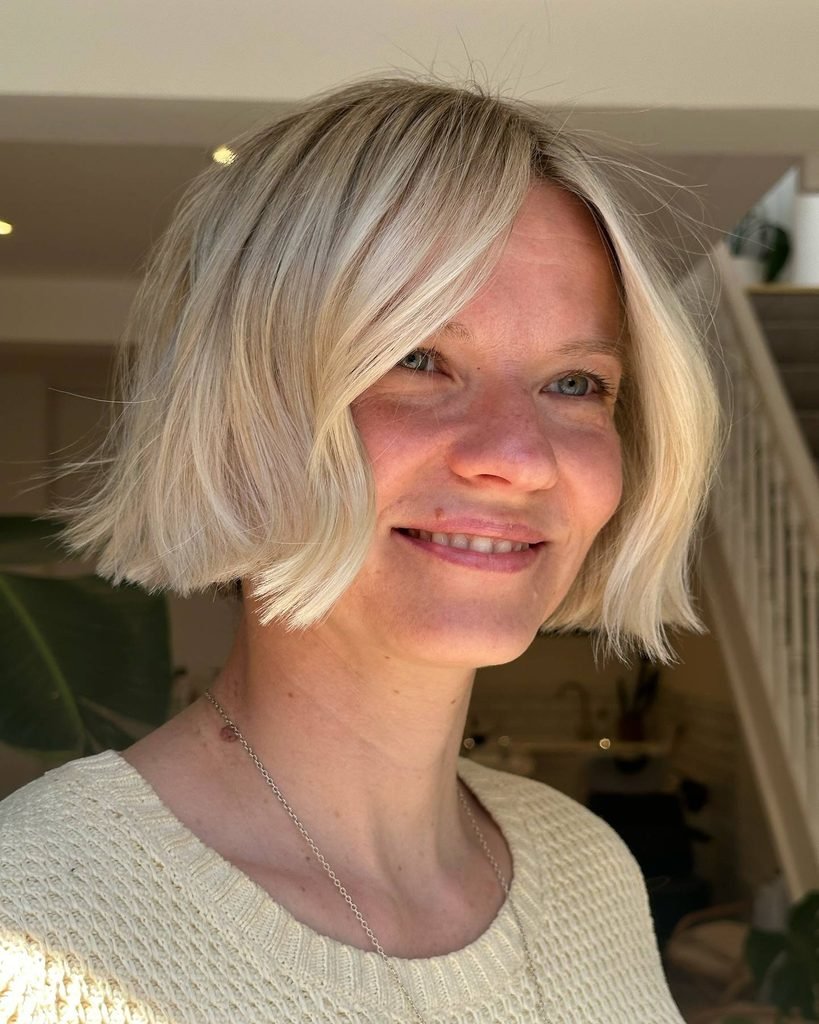
A one-length haircut with no layers that creates plenty of volume, especially in straight, fine hair. It is the perfect choice if you want your hair to look thicker. This haircut is best for Straight to slightly wavy fine hair.
The French Bob
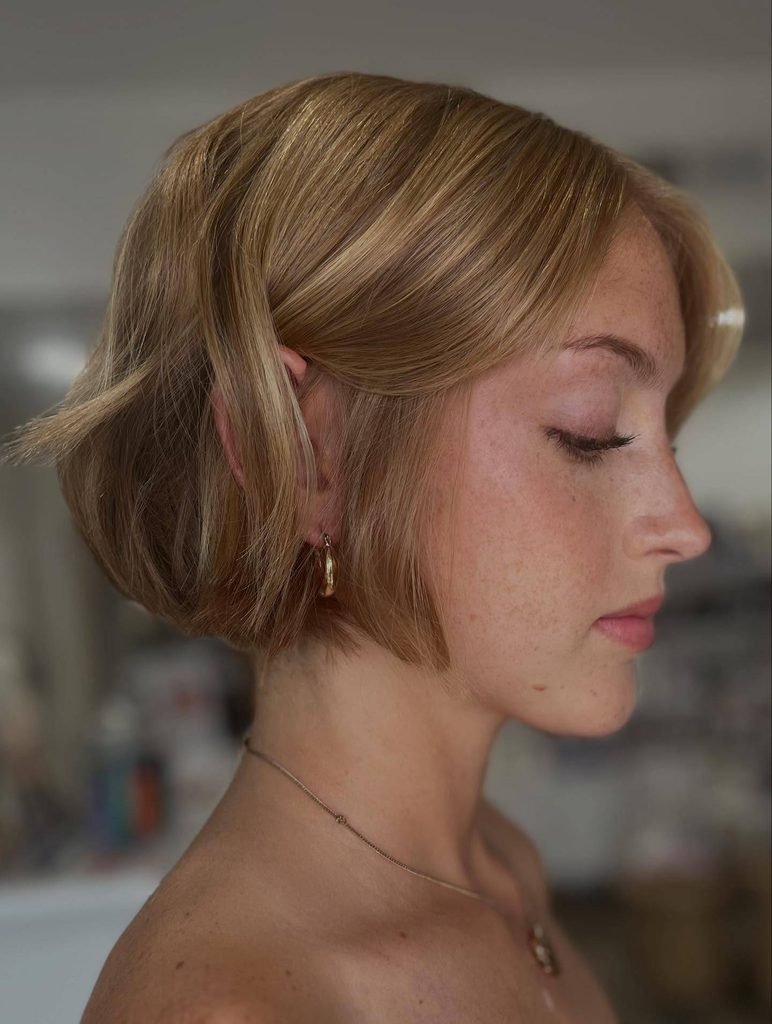
Jaw-length with a “full, blunt edge, making it an ideal choice for thin hair. Creates the illusion of density through shape and structure. Best for Oval and heart faces; adds sophistication.
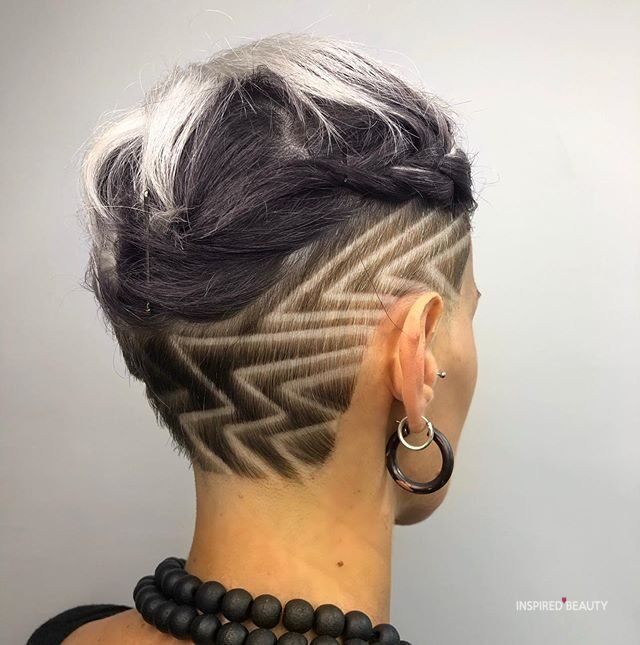
The Soft Pixie
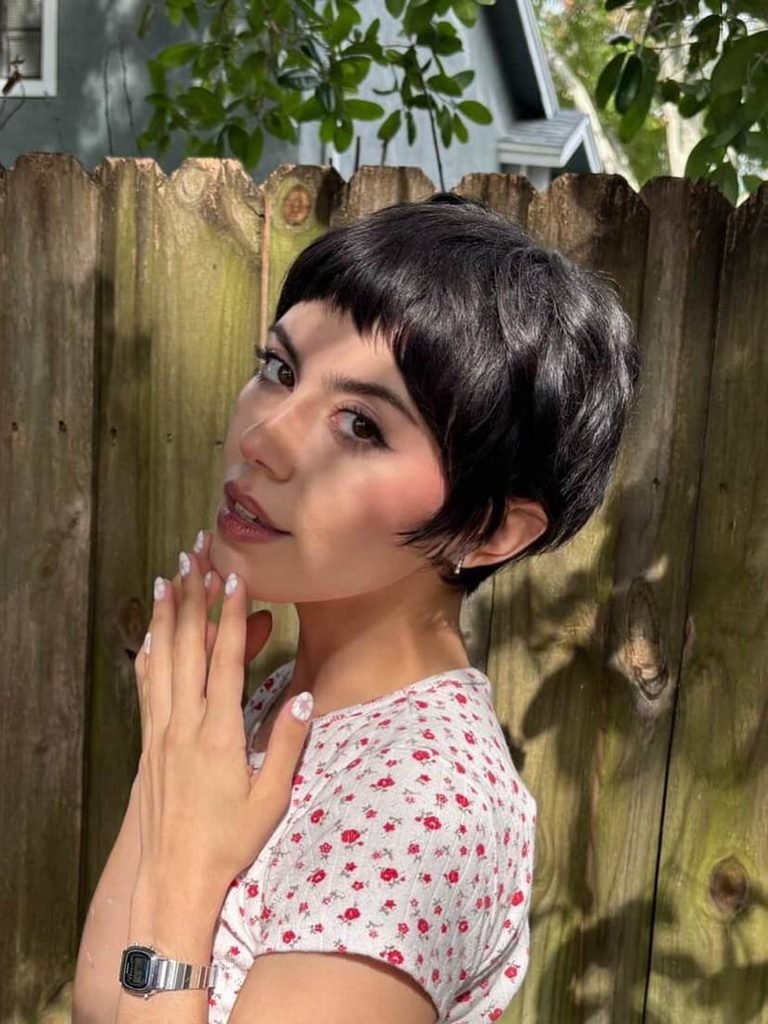
Ask for a soft, textured pixie cut with shape around the crown and softness around the hairline to keep it flattering. Concentrates volume at the top.
Best for: Confident personalities; minimal styling time.
The Wispy Pixie
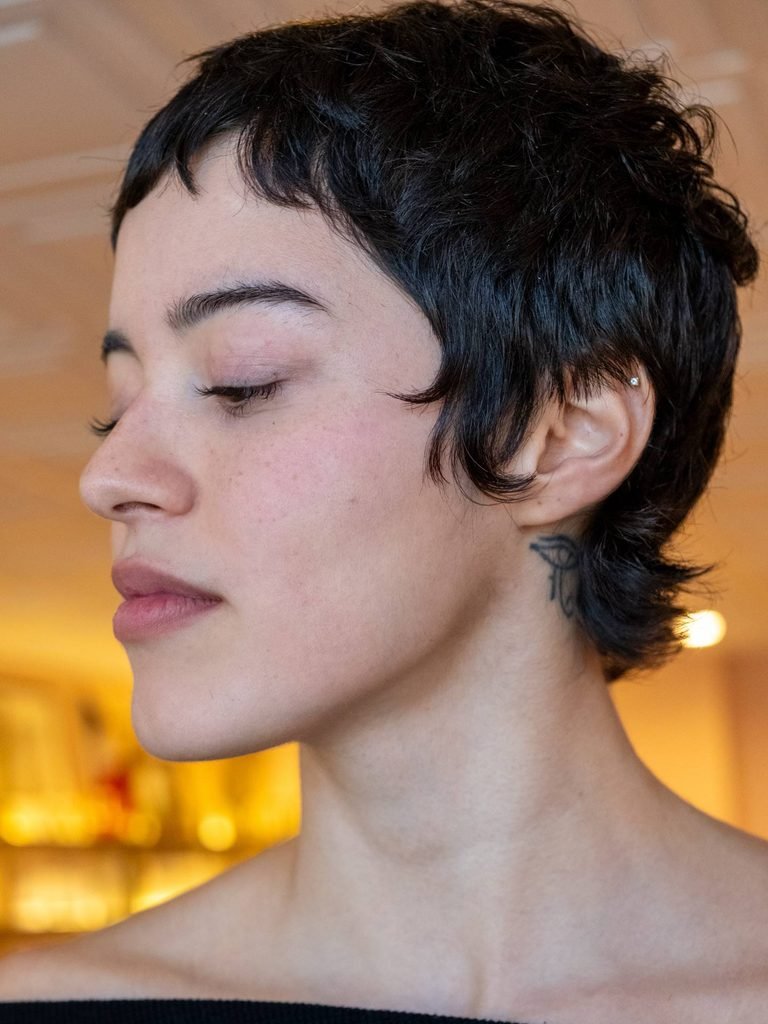
Face-hugging wisps create a sculptured look. Adds texture and interest while keeping the cut short and light.
Best for: Those who want an edgy, low-maintenance cut.
The Asymmetrical Pixie
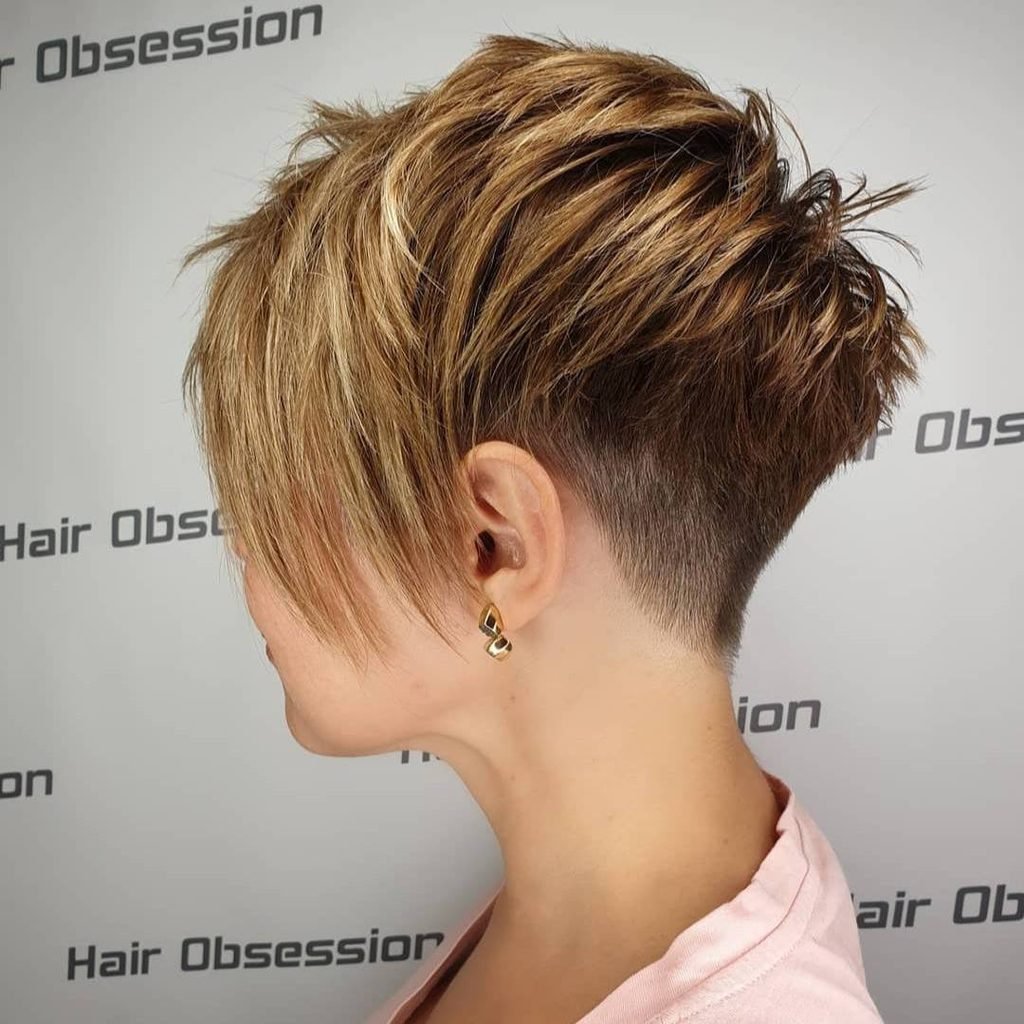
The contrast can make the slightly longer side look fuller. Creates visual interest and dimension. Asymmetrical Pixie looks best on Round and oval faces.
The Beehive Bob
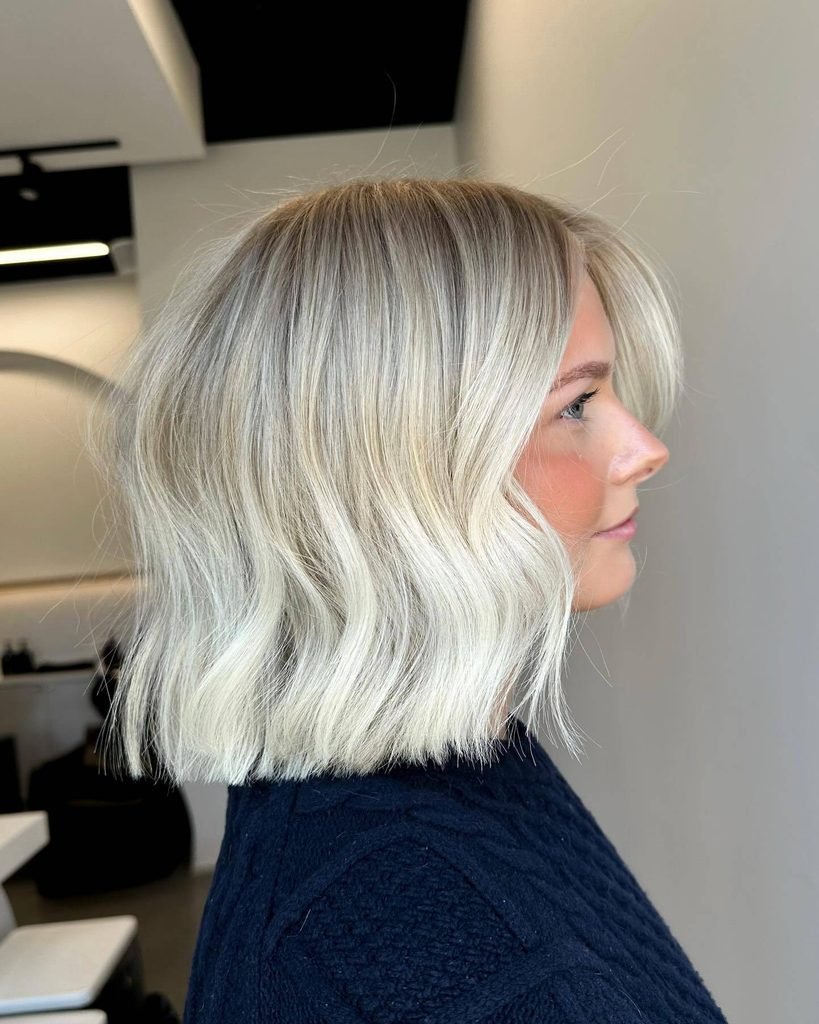
The beehive effect gives that airy fullness without needing thick density. Strategic backcombing at the crown creates height.
Best for: Those who want volume and glamour with a modern twist.
Medium-Length Magic
The Lob with Layers
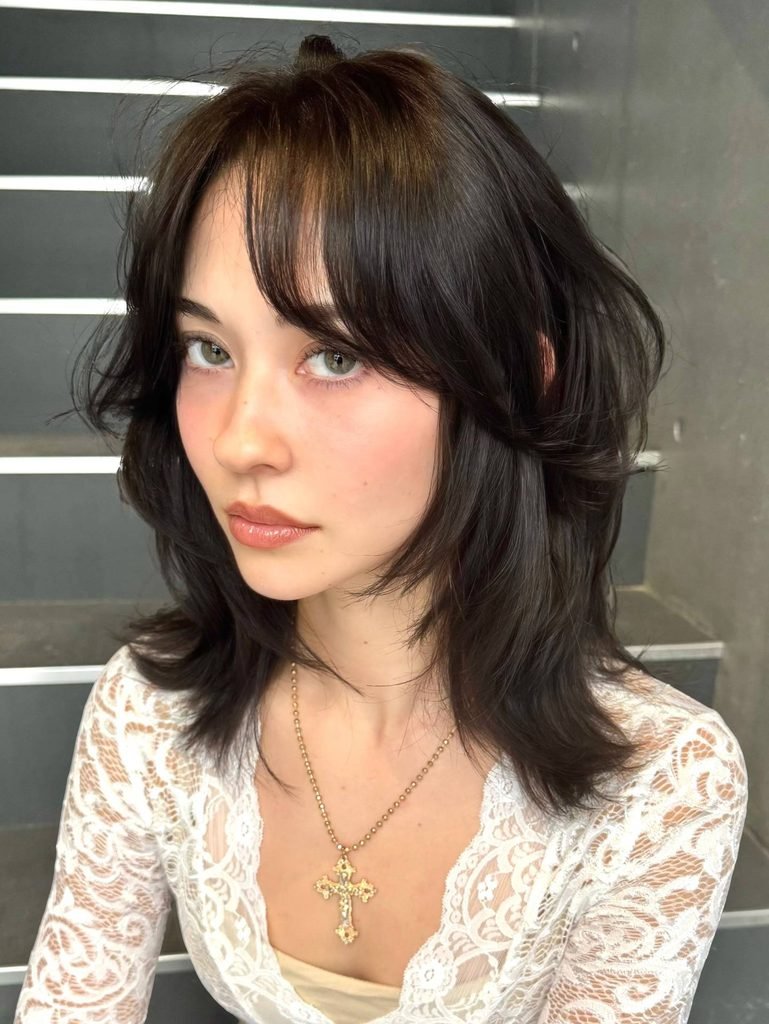
Why it works: “Short for ‘long bob,’ a lob cut frames the face, and light layers soften it up. They also give you the option of creating more body”.
Best for: Those who want length without sacrificing fullness.
The Textured Midi Cut
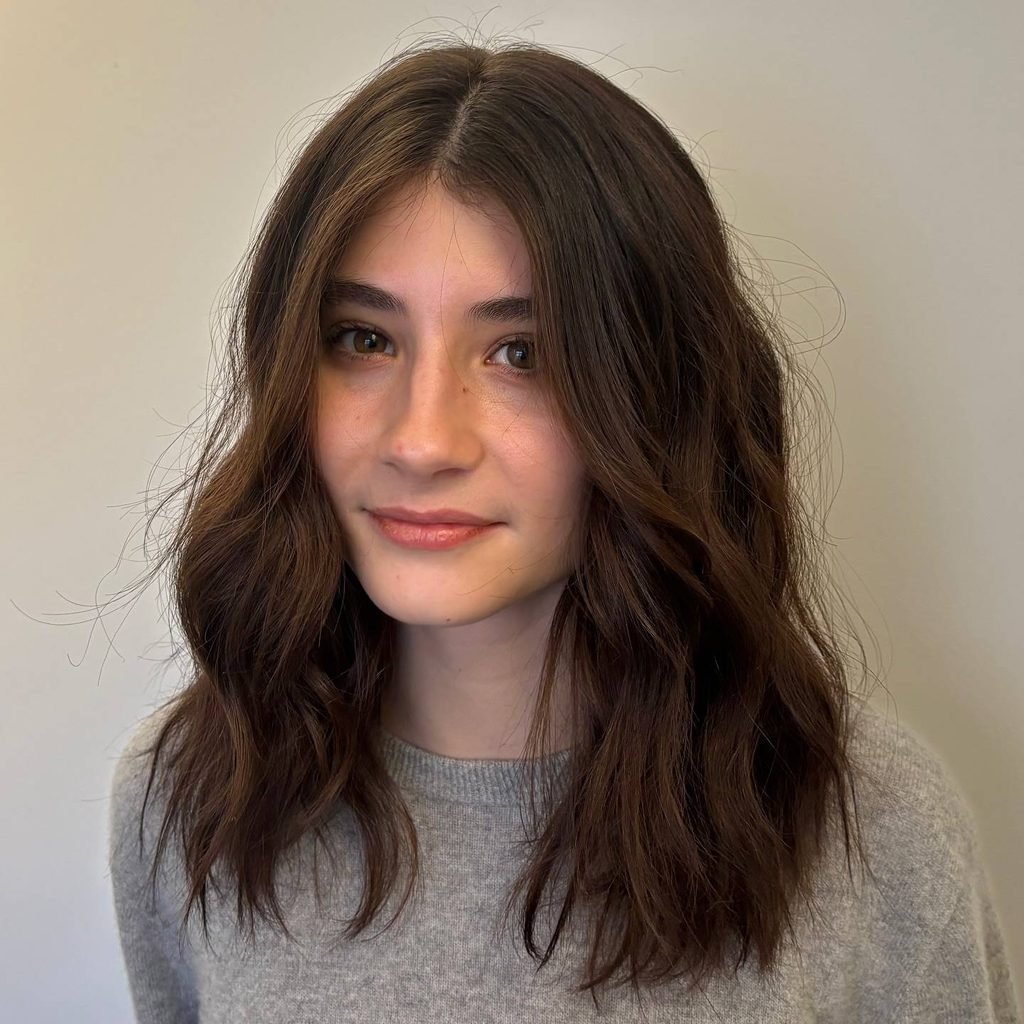
Why it works: “Textured lobs, soft layered midi cuts, and shorter shapes that encourage natural movement are proving so popular”.
Best for: Low-maintenance styling; works on all face shapes.
The Inverted Lob (A-Line Lob)
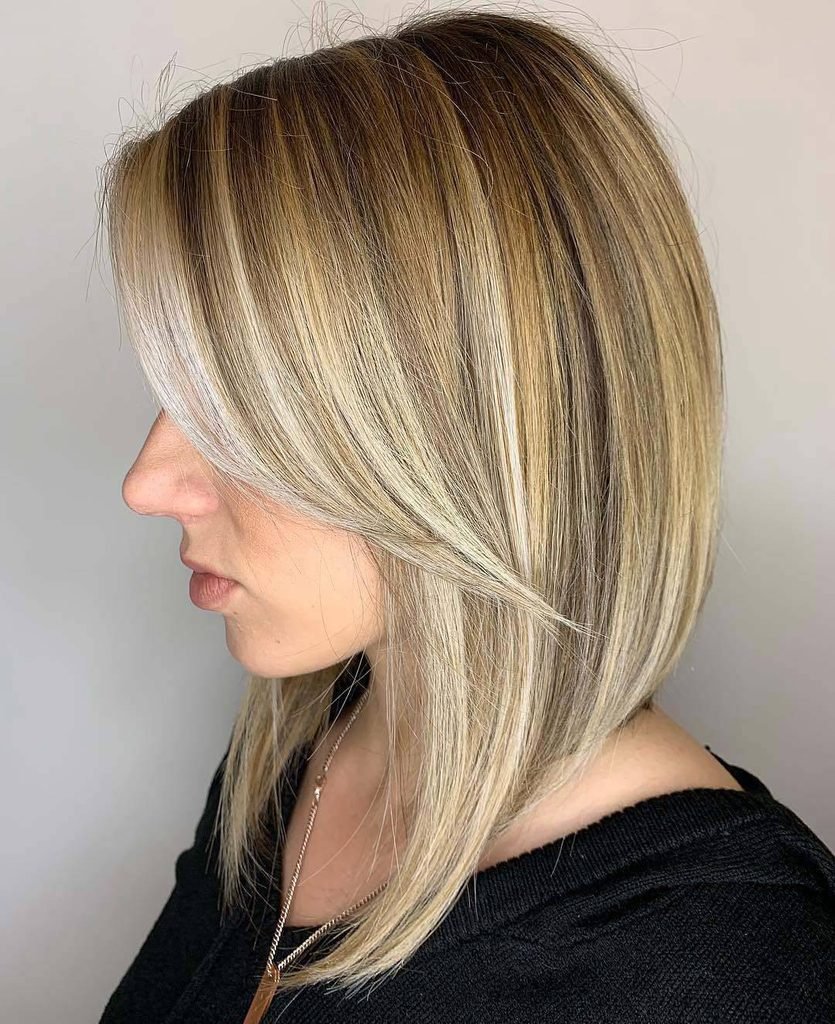
Why it works: “Ask for a soft angle from back to front with minimal layering. It keeps bulk in the ends”.
Best for: Creating a fuller look while keeping some length.
The Softly Angled Bob
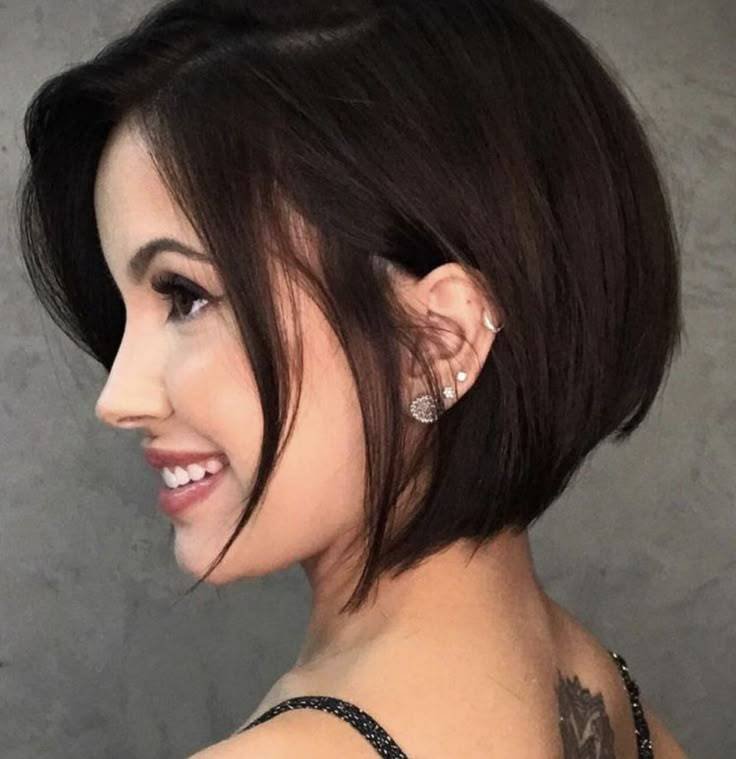
Why it works: “Softly angled or lightly graduated bobs are also great options, since they add volume at the crown without thinning out the ends”.
Best for: Round and square faces; adds lift.
The Face-Framing Lob
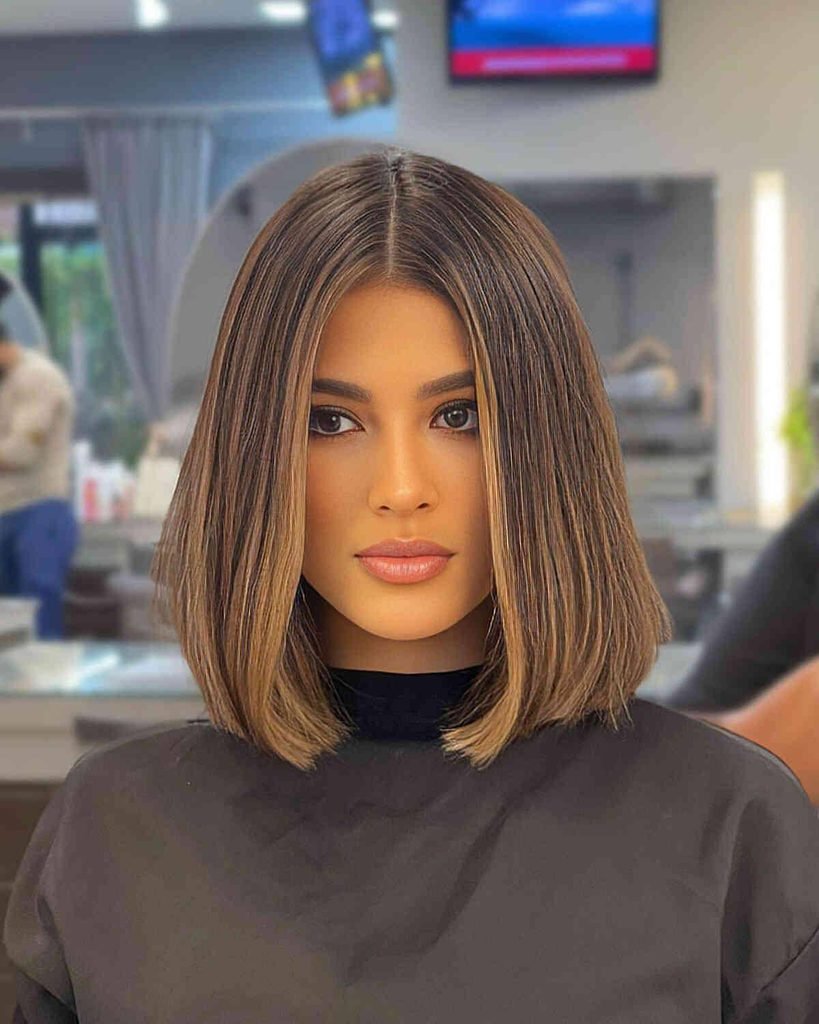
Soft face-framing with long, blended layers can create an effortless, voluminous finish that still feels modern and quick to style.
Best for: Elongating the face; works on all shapes.
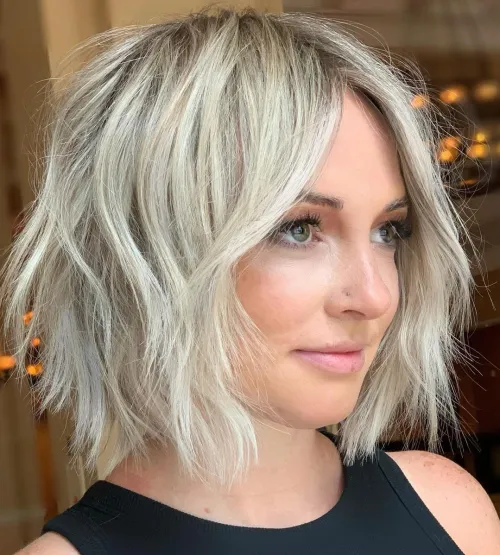
The Wavy Lob
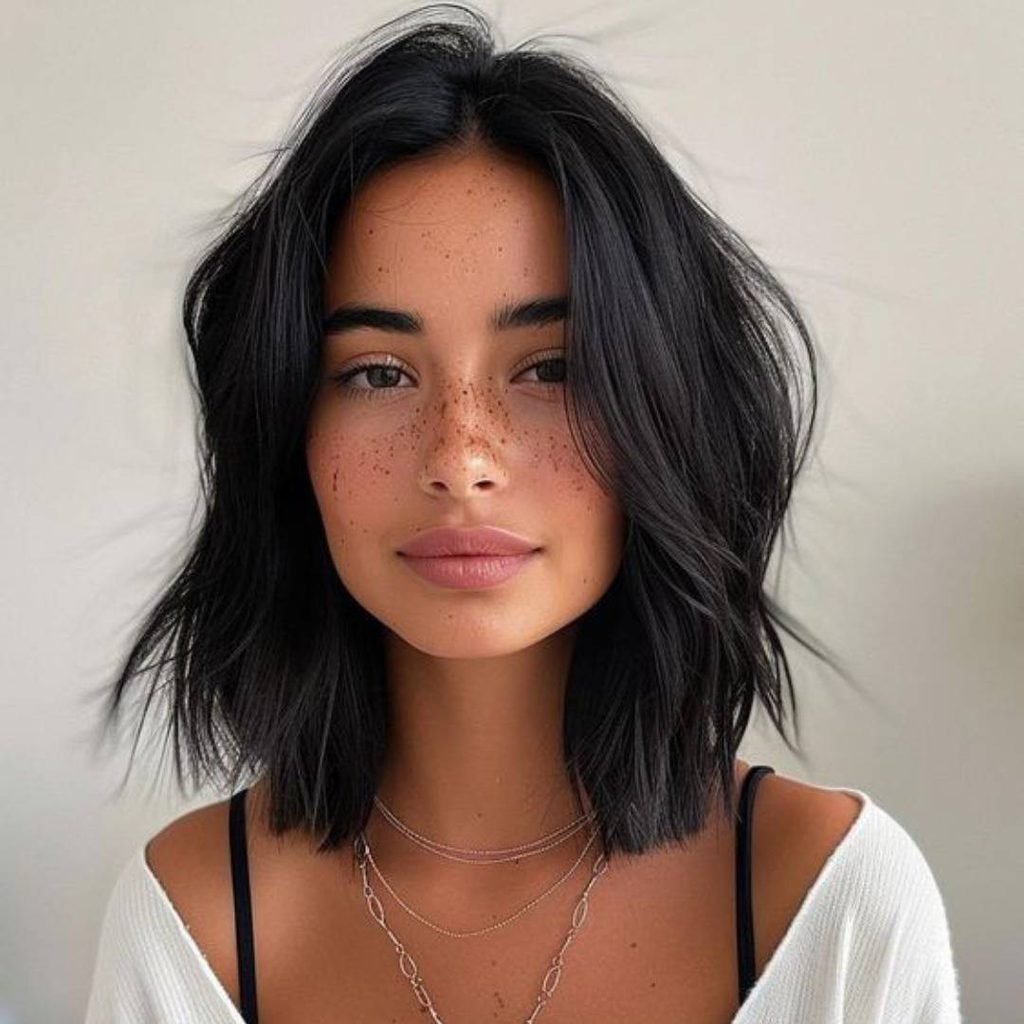
A lob that falls just past the shoulders plays up natural waves and enhances volume. The wave pattern adds texture and fullness.
Best for: Wavy or curly fine hair.
Long & Layered
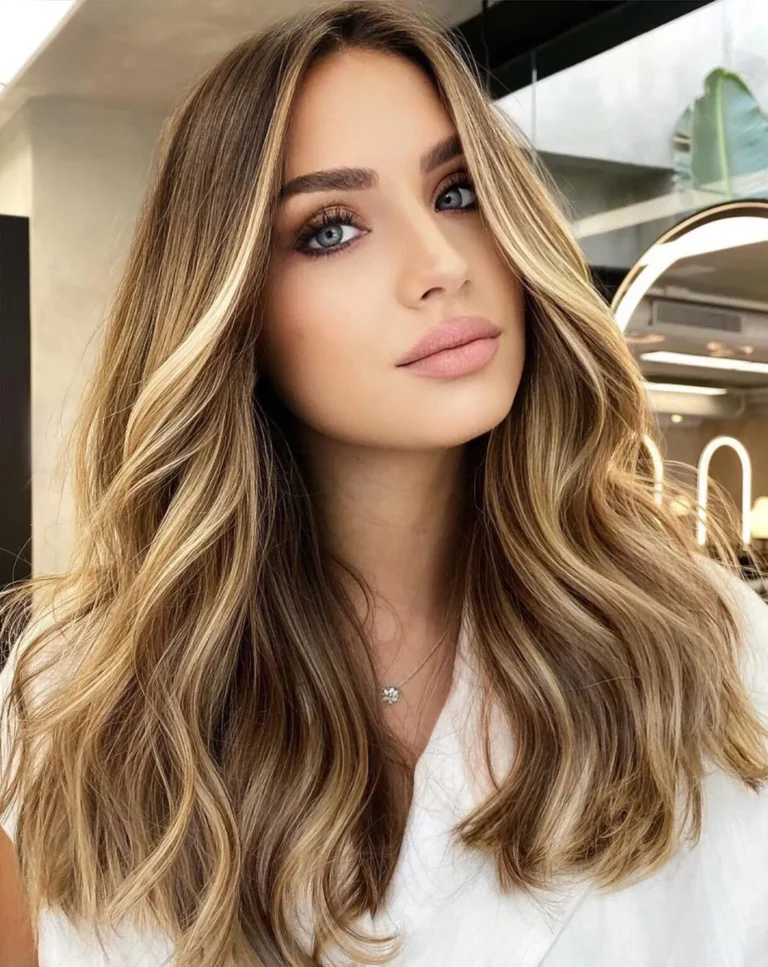
Long Layers with Face-Framing Pieces
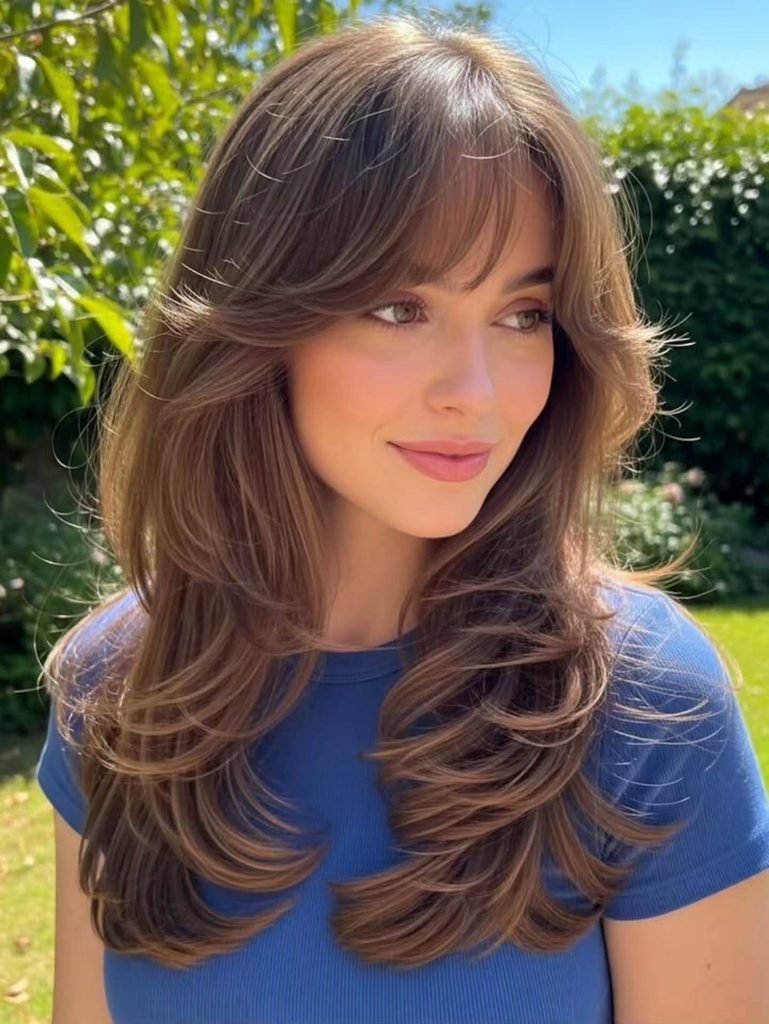
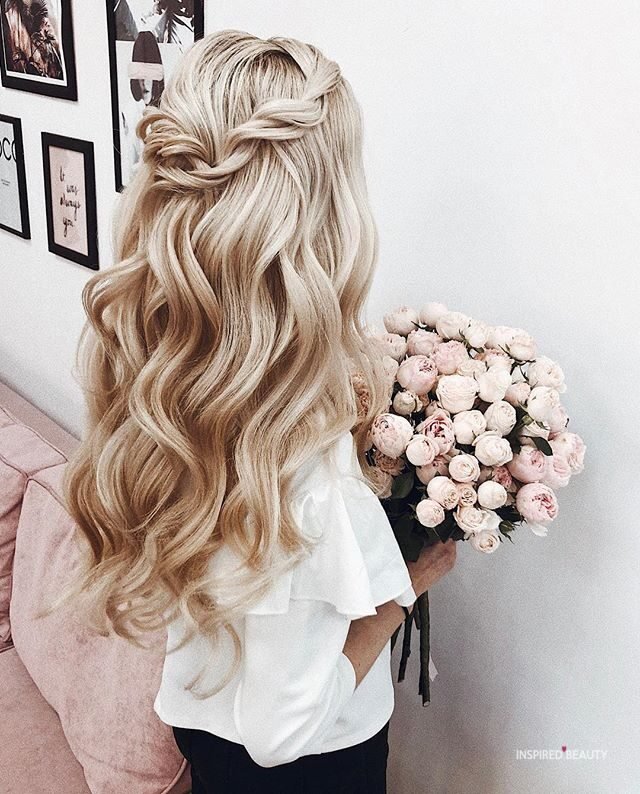
Long, cascading layers and mermaid waves add movement and volume to thin or fine hair types. Request long, piecey curtain bangs that blend seamlessly.
Best for: Those committed to length; requires more styling.
The Effortless Butterfly Cut
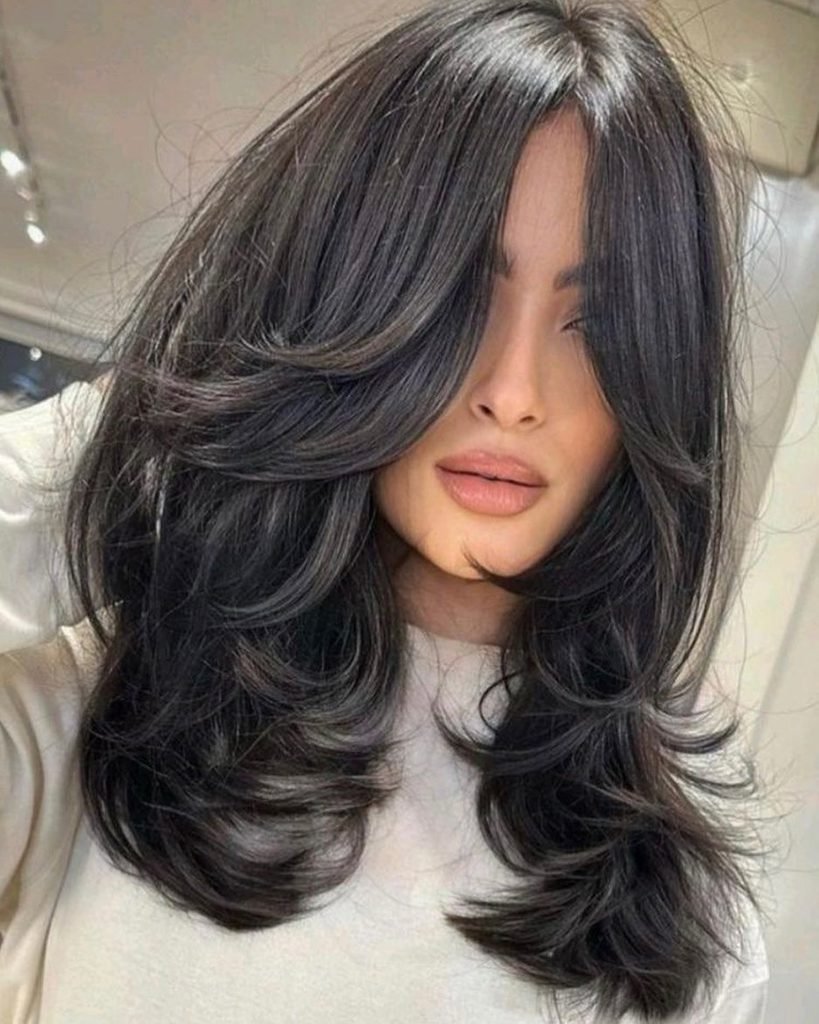
Romantic, soft layers that create natural movement and flow throughout the hair. The cascading shape adds lightness without sacrificing volume.
Best for: Low-maintenance styling; air-dries beautifully.
The Modern Controlled Shag
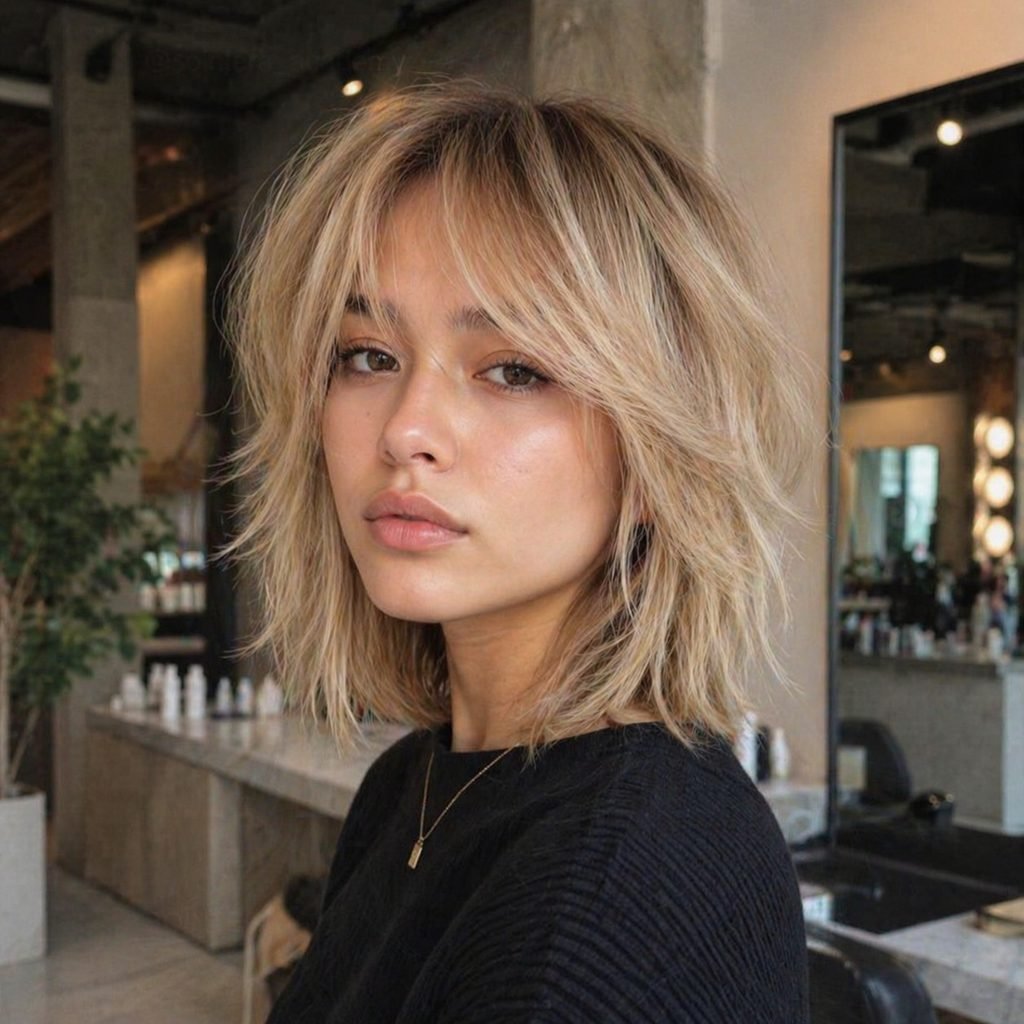
Ask for a ‘modern, controlled shag with long, blended layers’ and minimal razoring. Adds texture without choppiness.
Best for: Wavy textures; adds edge and movement.
Specialty Cuts
The Graduated Bob
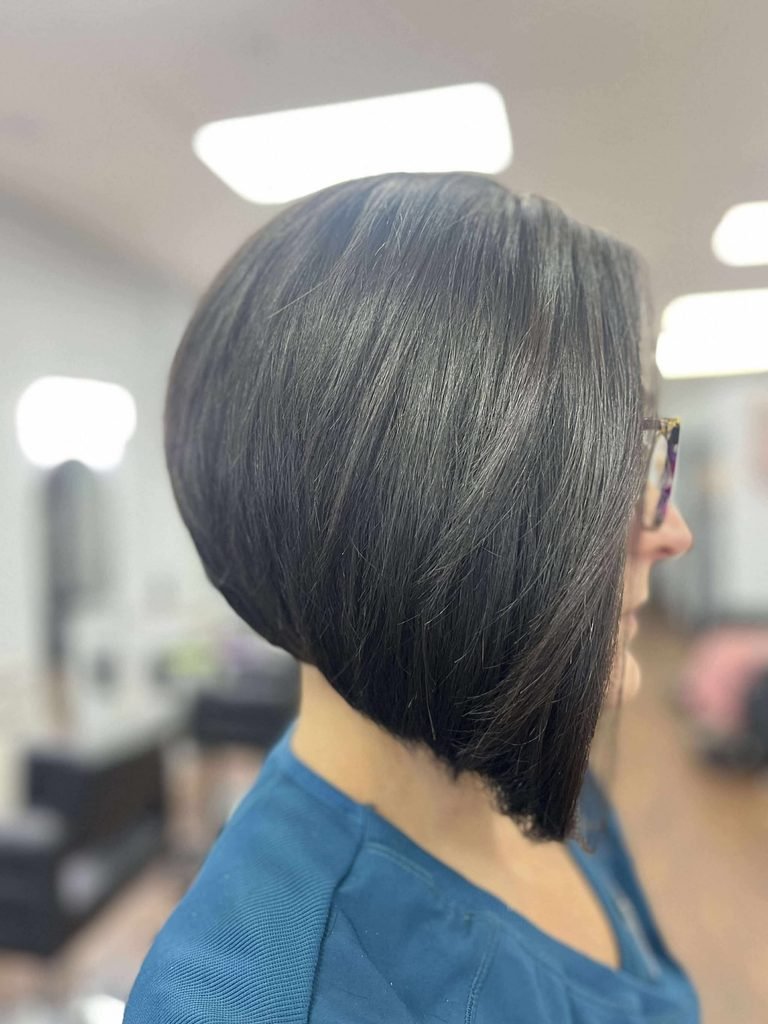
Shorter layers through the back that build shape and weight towards the front. It has more movement and structure than a traditional bob.
Best for: Creating volume at the back of the head.
The Soft Bixie
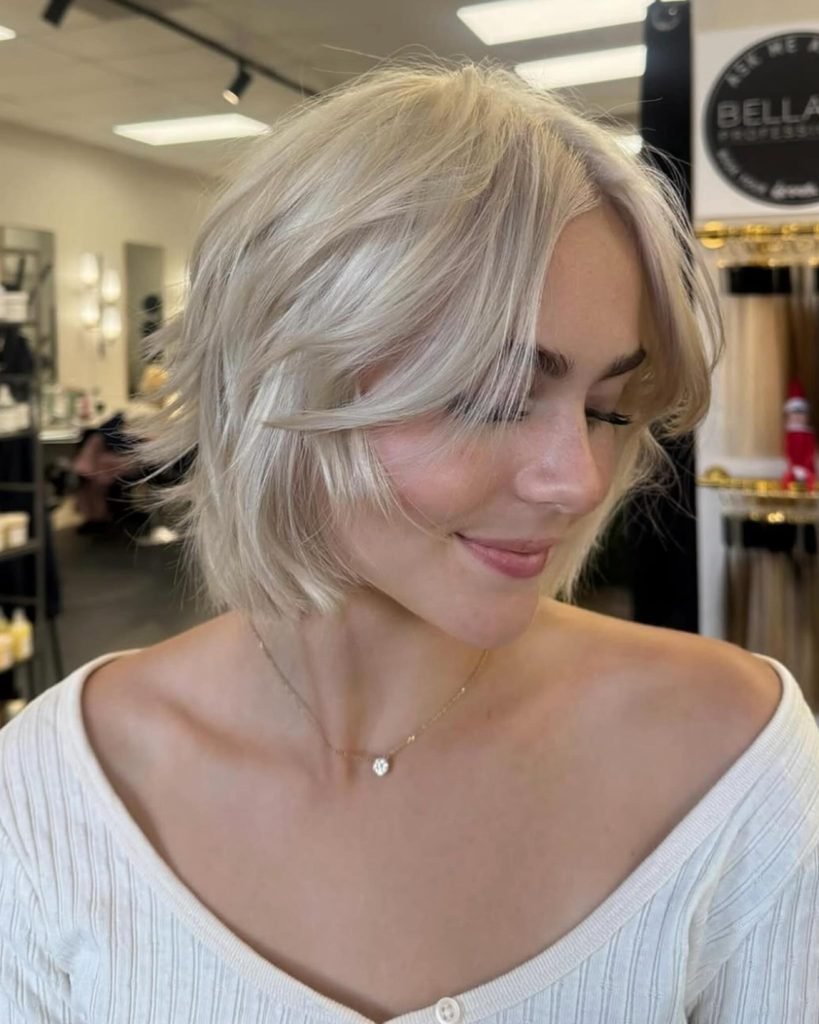
Part bob and part pixie, a soft bixie can give thinning hair plenty of movement while keeping enough length for styling versatility.
Best for: Transitioning between short and medium lengths.
The Layered Lob with Side Part
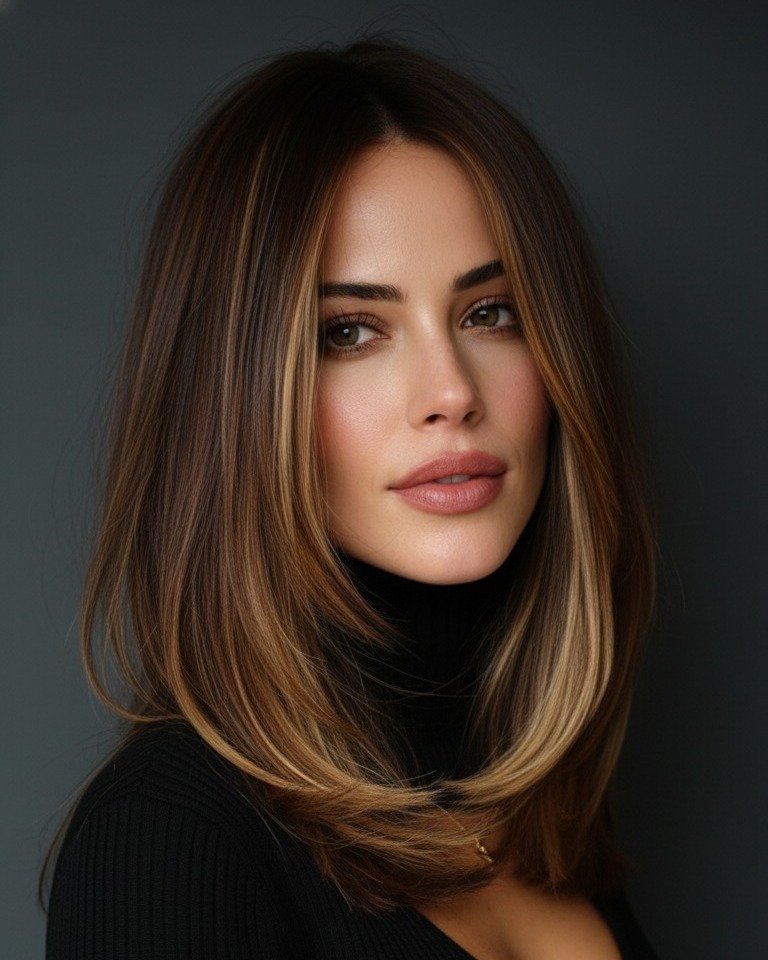
Keeping the overall length around the shoulders or collarbone keeps enough weight through the ends to make hair look dense, while subtle layers add movement. Pairing the cut with a side part creates additional lift.
Best for: Disguising sparse areas; works on all face shapes.
How Do I Pick the Right Thin Haircut?
Here is what you need when picking the right haircut for thin hair and face shape. These are some of the best haircuts to achieve a fuller-looking hairstyle.
Round Face, Depending on height, a stacked bob, pixie cut with volume at the crown, or long layers is the best bet. These are also very trendy and stylish, so you will love and enjoy wearing these haircuts.
Oval face, This face shape is one of the face shapes that most haircuts will look amazing on, but a blunt bob, lob, soft pixie, and textured midi haircut is the winner when you’re working with thin, fine hair.
Square face, this face shape goes great with soften angles that add movement, so get these haircuts, soft layered bob, wavy lob, and curtain bangs. I promise you will love them.
Heart Shape Face, these cuts will help balance your wider forehead, chin length bob, side-swept bangs, and face-framing layers.
Long Face, bob with volume, chin-length cuts, and layered midi- these are some of the best haircuts for face shapes.
Consider Your Lifestyle
Low-maintenance hairstyles include the blunt bob, pixie, and stacked bob. These cuts appear deliberate, with minimal ornamentation.
Versatile, Lob or midi cut. Can be worn either up or down.
Style enthusiast, Layered looks with more structure and movement.
Hair Texture
Straight fine hair: Blunt cuts and precision bobs work well. The crisp lines highlight the cut.
Wavy delicate hair: Soft layers and textured cuts enhance natural mobility.
Curly fine hair, Work with your curl pattern. Ask for a “curl-by-curl” or Deva cut.
Trends to Follow
1. The Scandi Bob (Nordic Bob)
Searches for this haircut have surged by more than 408% in recent months. It’s a jawline-length bob with a blunt one-length cut and a side part. According to Spanish hairstylist María Baras, a one-length haircut with no layers generates significant volume, particularly in straight, fine hair.
It is an excellent choice if you want your hair to appear thicker.”
2. The Stacked Bob
Pinterest has seen a +1110% spike in searches for “stacked angled bob”. “The name comes from the way the layers are’stacked’ through the back, creating a beautiful build-up of shape and volume,” says Michael Lendon, Aveda’s creative director.
“This is one of those cuts that saves you a lot of effort. The internal graduation provides natural lift and fullness, making fine hair appear denser without the need for extensive styling.”
The Beehive Bob
A retro-inspired cut with a contemporary appeal. “The beehive effect gives that airy fullness without needing thick density,” says celebrity hairstylist Lorraine Dublin. The cut features strategic backcombing at the crown and a blunt bob at the ends.
4. Bottleneck Bangs
“Bottleneck bangs might be the most flattering fringe shape offering an ageless look,” says hairstylist Tom Smith. “These combine piecey and choppy brow-skimming lengths and curve around the eye, finishing at cheekbone height. This tends to be a very universally flattering shape”.
5. The Soft Bixie
Part bob, part pixie. A “soft bixie with tousled layers” gives thinning hair movement while keeping enough length for styling versatility.
Q&A
Should I go shorter if my hair is thin?
Often, yes, but not always. Shorter cuts remove weight and allow hair to lift. “Shorter, bouncier haircuts” work well because “longer styles can pull hair flat with their weight”. That said, “longer styles can absolutely work as well, especially over 50, although they may require slightly more styling”. The key is adding layers and shape to prevent hair from falling flat.
Are bangs a good idea for thin hair?
Yes, if done right. “Hair around the front is often naturally finer, so cutting it slightly shorter can actually help it appear denser and fuller,” says celebrity stylist Melissa Timperley. Avoid heavy, blunt bangs that can look sparse. Instead, try wispy side bangs, curtain bangs, or bottleneck bangs.
What’s the best haircut for fine hair over 50?
Mature women with fine hair. Options include the blunt bob (creates stronger-looking ends), the softly textured bob (adds movement), the soft pixie (effortless and chic), and the A-line fringe (creates the illusion of fuller hair). For those who want length, a “textured midi cut” or “layered lob with side part” provides movement without sacrificing fullness
How do I stop my hair from looking flat after styling?
The trick is in the drying technique. Blow-dry upside down to lift hair away from the scalp. Use a round brush to lift sections at the crown. Finish with a cool shot to set the style. And don’t skip the roots, “Apply your shampoo at the scalp… but when it comes to conditioner, apply only on the lengths and ends to avoid weighing down roots”.
Should I avoid layers if my hair is thin?
Not entirely, but be strategic. “Blunt bobs work especially well because a strong perimeter instantly makes the hair look thicker,” says hairstylist Jennifer Korab. If you want layers, ask for “long, blended layers” rather than choppy, aggressive ones. “You want minimal layering, but also just enough to create movement without making the hair look stringy,” says Nick Stenson.
Style Tips for Thin Hair
The Wash & Dry Routine
Step 1: Clarify. Use a clarifying shampoo once a week to remove buildup that weighs hair down.
Step 2: Condition strategically. Apply conditioner only to mid-lengths and ends, never the roots.
Step 3: Apply mousse. “Mousse contains polymers that coat each individual strand, visually thicken it, and create an invisible ‘support’ that keeps the hair lifted”.
Step 4: Blow-dry upside down. “Flip all your hair over your head and direct the air from the blow-dryer from the nape of the neck toward the ends”.
Step 5: Lift at the roots. “Take a large round brush, lift a section of hair at a 90-degree angle from the head, and direct the narrow nozzle right at the roots”.
Step 6: Cool shot. Finish with cool air to set the style and seal the cuticle.
Day-Two Styling
Dry shampoo adds grip and lift at the roots.
Texturizing spray adds volume and movement.
Switch your part to add instant lift.
Tease gently at the crown for special occasions.
Tips for Thin Hair for Older Women
Hair texture changes in our 50s and beyond due to hormones, stress, nutrition, and scalp health. Here’s how to adapt:
Embrace the Bob
This year of the bob, especially for women over 50 and those with finer hair textures. Shorter shapes create natural body and movement.
Consider a Soft Pixie
“A pixie cut can look incredibly chic on mature women, think Judi Dench. It’s elegant, modern, and very easy to maintain”.
Add a Fringe
“Fringes and soft face-framing shapes can be incredibly flattering on mature hair. Hair around the front is often naturally finer, so cutting it slightly shorter can actually help it appear denser and fuller”.
Go Lighter
“Highlights and lowlights can add visual depth to fine hair”. Color creates the illusion of contrast, making hair look fuller.
Prioritize Scalp Health
“A healthy scalp supports healthy growth. Gentle exfoliation and massage increase circulation”.
5 Things to Know When Cutting Thin Hair
Blunt Ends Are Your Friend
“A strong perimeter instantly makes the hair look thicker”. Avoid excessive choppy layers that can make ends look wispy and sparse.
Layering Is a Double-Edged Sword
“Minimal layering, but also just enough to create movement without making the hair look stringy” is the goal. Too much layering = thinner-looking ends.
Shorter Lengths Lift Weight
“Longer styles can pull hair flat with their weight”. A chin-to-collarbone length helps prevent hair from dragging down and looking flat.
Avoid Razor Cuts
“Those with thinning and fine hair should steer clear of razor cuts and heavily shagged layers, which can make hair appear even sparser”.
Regular Trims Are Essential
“With a bob haircut, you’d already find yourself needing to cut it more often… I’d recommend booking in for a trim every six weeks, that little bit of growth can affect the sharpness of the shape”.
How to Care for Thin, Fine Hair
Products to Use
- Clarifying shampoo: Once a week to remove buildup
- Lightweight conditioner: Mid-lengths to ends only
- Volumizing mousse: Applied to damp roots before blow-drying
- Root-lifting spray: For extra lift at the crown
- Dry shampoo: Between washes for grip and volume
- Heat protectant: Always before hot tools
Products to Avoid
- Heavy oils and butters at the roots
- Overly nourishing masks that weigh hair down
- Volumizing shampoos with film-forming ingredients (they can actually weigh hair down over time)
Gentle Handling
- Towel dry gently: “Gently blot your hair with a microfiber towel or a soft cotton t-shirt”
- Use a wide-tooth comb when detangling wet hair
- Turn down the heat on styling tools, fine hair damages easily
- Don’t over-wash: 2-3 times a week is often plenty
Your Best Hair Starts with the Right Cut
Thin hair isn’t a limitation, it’s a texture that, with the right cut, can look elegant, modern, and beautifully full. The key is working with your hair, not against it.
Choose a cut that creates structure, preserves density at the ends, and uses strategic layering to add movement without sacrificing fullness.
Whether you’re drawn to the sharp elegance of a blunt bob, the soft romance of a textured midi, or the effortless cool of a pixie, there’s a haircut here that will make your thin hair look its absolute best.